


Finding Balance: Fibromyalgia Treatment Options & Personal Control
- May 29, 2023
- 16 min read
Updated: Jan 4, 2024
Episode 19: Exploring Medication Benefits, Side Effects, and Personal Choices.

I am always hesitant to take any prescription medicine.
I hit my young adulthood at a time when doctors gave prescription medicine samples away like candy for any reason so that they could hop on a jet for a luxury vacation gifted to them by drug company reps. Then, before I knew it, I was taking Celebrex - an arthritis drug - for period cramps, and Zoloft - an antidepressant - for IBS. Neither of them worked for me, nor was I advised as to how to take them. But when I saw my doctor again, boy did he have a nice tan. Yes, and all of this is to iterate how I do not trust when a doctor says: "Here, take this. It will make the pain go away...". I will painstakingly do my research until I have seen enough evidence and it is convincing enough for me to put that pill in my mouth and swallow it hoping for relief.
Needless to say, I was terribly reluctant to take any medication for my fibromyalgia.
The results of available medication is so dismal. Analgesics for fibromyalgia pain at best reduce pain by 50% in about 10% of people. If that's the best, what is average and is that even worth it?
When my doctor talked with me about prescription medication in general, he was honest. We talked about the side effects of many of the medications first - which were FRIGHTENING to me - and then discussed the "promised" benefits. For me, we settled on Lyrica and he stated flatly it was would either work some, or not work. But, considering the pain I was experiencing, any possibility of relief was good enough for me.
Let's be real, fibromyalgia is a disorder that is hard to treat.
The symptoms are varied and many including: widespread pain, fatigue, sleep problems, anxiety, depression, headaches, memory and concentration problems. Available medications help to various degrees for a nominal amount of people. Finding the right medication for fibromyalgia "warriors" is a challenge to say the least.
This post is a brief laymen's overview of the classes of medications for fibromyalgia, the 3 FDA approved and other off label prescriptions for fibromyalgia, as well as the benefits and possible side effects of some of the prescriptions and supplements available. Phew! That's a LOT! Let's get started.
WAIT!
Before we do, read this DISCLAIMER: THIS BLOG DOES NOT PROVIDE MEDICAL ADVICE. Please discuss any questions you may have about medications and supplements with your doctor. Do not read this blog as expert advise, as I am a layperson and not a medical professional.
When I was diagnosed with fibromyalgia I had so many questions about diet, exercise, and especially medication.

Diet and exercise are things I can control on my own, medication is a different story. What medications are recommended, what can they do, and what are the side effects were my main concerns. My doctor had a conversation with me about 3 classes of medication that could be helpful: antidepressants, anti seizure medication, and over the counter supplements.
We talked about:
Antidepressants: Cymbalta, Savella, & Amitriptyline,
Anti-seizure: Lyrica & Neurontin.
Supplements: SAM-e, CBD, & THC
My doctor told me to think about my options and as I am one who usually experiences ALL the side effects, I did a cursory lap around the inter-webs to find out the who, what, why, and how's of the medication we discussed and here is what I found:
Duloxetine (Cymbalta)
Approval and Application: Duloxetine is an antidepressant discovered and developed by Ely Lilly in 1993. It was first approved for depression in 2004 and approved for fibromyalgia management in 2008. It is an SNRI (selective serotonin and norepinephrine reuptake inhibitor) thought to lessen nerve pain by increasing serotonin and norepinephrine which calms down nerve signals .
What's good: it improves mood and decreases pain.
Common Side effects: sexual dysfunction, emotional blunting, nausea, vomiting, diarrhea, dry mouth, sweating, feeling nervous, decreased appetite, fatigue, insomnia, and a number of rare side effects including suicidal thoughts in young people and young adults.
The withdrawal from duloxetine can be intense and can include: nausea, vomiting, anxiety, irritability, night terrors, strange sensations all over the body, and electric - like "brain zaps", or sensory disturbances that feel like electrical shock sensations in the brain. In order to avoid withdrawal, carefully following your doctors orders for down-titrating, or tapering is advised.
My decision:

NOPE. I have a history with depression and anxiety and adding something like this had too many risks associated with it to "try" it and then have to not only suffer possible side effects but withdrawal as well - it just didn't seem advisable for me. So we didn't.
Milnacipran (Savella)
Approval and Application: Milnacipran is an SNRI first approved in France in 1996 to treat depression and in 2009 the U.S. FDA approved Savella to treat fibromyalgia. However, it is not used to treat major depressive disorder in the U.S.
What's good: Savella is supposed to "ease pain and reduce fatigue or help with memory". Though not all of these benefits have been tested in humans.
Side effects: (this black label warning is taken directly from the Savella website) Agitation, hallucinations, muscle twitching, sweating or fever, stiff muscles, dizziness, or diarrhea; these may be signs of serotonin syndrome, a potentially life-threatening condition.
Increase in blood pressure or heart rate. Your healthcare provider should check your blood pressure and heart rate before starting and throughout SAVELLA treatment. Before starting SAVELLA, tell your doctor if you have high blood pressure or problems with your heart or blood vessels (cardiovascular disease).
Seizures or convulsions.
Itching, right upper-belly pain, dark urine, yellow skin or eyes, or unexplained flu-like symptoms, which may be signs of life-threatening liver problems.
Headache, weakness, confusion, problems concentrating or memory problems may be signs of low salt levels in the blood. Elderly people may be at greater risk.
Abnormal bleeding, especially if SAVELLA is taken with other medicines such as the blood thinner warfarin, NSAID pain relievers (ibuprofen or naproxen), or aspirin.
Manic episodes, which may include greatly increased energy, severe trouble sleeping, racing thoughts, reckless behavior, unusually grand ideas, excess happiness or irritability, and talking more or faster.
Problems with urination, which may include decreased urine flow or inability to pass urine.
Visual problems: Eye pain; changes in vision; swelling or redness in or around the eye. Only some people are at risk for these problems. You may want to undergo an eye examination to see if you are at risk and receive preventative treatment if you are
Withdrawal: there is a lower risk of "withdrawal syndrome"with milnacipran but withdrawal may include dizziness, anxiety, feeling irritable, confusion, headache, ringing in your ears, and sleep problems. In order to avoid withdrawal, carefully following your doctors orders for down-titrating, or tapering is advised.
My decision:

No thank you! For the same reasons we did decided not to use Cymbalta, I chose not to take this prescription for fibromyalgia. Along with that, according to the Mayo Clinic, though many of the side effects may be rare, some side effects like body aches, pains, and stiffness, headache, and unusual tiredness and weakness are all things which I am struggling with already before medication. Taking this and risking the possibility of experiencing these side effects was not worth it to me.
Amitriptyline (Elavil)
Approval and Application: developed by the pharmaceutical company Merck, amitriptyline was approved for use in the treatment of depression in 1961. It is not approved for fibromyalgia but is an established "off label" treatment for this disorder.
What's good: amitriptyline is credited with improving sleep, fatigue, and overall quality of life in patients with fibromyalgia.
Side effects: there are too many side effects to write in this one blog review, but common side effects of amitriptyline include: weight gain, dizziness, drowsiness, blurry vision, confusion, a sense of pins and needles in hands and feet, rash, diarrhea, nausea, headache, dry mouth and constipation. This is a limited list that includes the most common side effects. Another, more in depth list from the Mayo Clinic include 108 more unpleasant side effects - some common, some not so common.
Withdrawal: Withdrawal symptoms from amitriptyline is consistent with other tricyclic antidepressants and can include: anger, increases anxiety, panic attacks, severe depression, suicidality (rare), insomnia, crying spells, dizziness, headache, nausea, vomiting, diarrhea, loss of appetite, flu-like symptoms, muscle pains, and joint pains. This list is not all-inclusive, but it includes the most common withdrawal symptoms. In order to avoid withdrawal, carefully following your doctors orders for down-titrating, or tapering is advised.
My decision:

My Question is: why would I take this? I did not discuss this drug with my doctor. But I don't think I will either. Even after a perfunctory search and study of this prescription medication, I am not saying that this can't be beneficial to someone, but I believe it would not be beneficial to me. The side effects are too numerous and I believe I can get better sleep options more naturally.
Pregabalin (Lyrica)
Approval and Application: Pregabalin is an anti-epileptic medication first developed by Northwestern University in 1990 and licensed to the Parke-Davis division of Pfizer. Lyrica was first approved for neuropathic pain in 2004. It was approved for fibromyalgia in 2007. It is the first FDA prescription drug approved for use in patients with fibromyalgia.
What's good: Pregabalin can reduce pain from fibromyalgia up to 25%. How it does this is not yet understood but it is thought to reduce pain signals by slowing down impulses in the brain and stops, "overactive nerves from misfiring".
Side effects: the more common side effects include: weight gain, stomach upset, headache, dry mouth, and insomnia. Other more serious and rare side effects that require immediate medical attention include but are not limited to: allergic reaction, breathing problems, chest pain, and thoughts of suicide or dying.
Withdrawal: symptoms of withdrawal can occur within the first 24 hours after the last dose. Symptoms usually last for no more than 48 hours, but may continue for several weeks. Symptoms of withdrawal include: anxiety, depression, digestive upset, headache, insomnia, mood changes, memory problems and confusion, seizures, and suicidal ideation. In order to avoid withdrawal, carefully following your doctors orders for down-titrating, or tapering is advised.
My decision:

This seemed like the best of a bunch of bad choices. I know that sounds underwhelming and depressing. However, my doctor wasn't opposed to writing the prescription for me, and he was very clear that it works minimally for a nominal number of people. Like he said, it would either work a little bit or it wouldn't work.
I now have 6 month experience with it so far and I can say, for me, it works a little bit. It works fine to reduce pain a little bit and improve sleep a little bit. But, medication can only do so much and under stressful situations I don't notice it's positive effects at all. If I am entirely stressed out, I go entirely into a fibro-flare without question and this medication cannot combat that - I have too.
Gabapentin (Neurontin)
Approval and Application: Gabapentin is an anti-epileptic developed by the Parke-Davis division of Warner-Lambert, now Pfizer, in 2000. It was first submitted in 2010 and approved within 3 months as a postherpetic neuralgic treatment. In 2011 it was approved under the name "Gralise" as an extended-release once a day treatment for postherpetic neuralgia. Gabapentin, brand names Neurontin, Horizant, or Gralise is not approved for the treatment of fibromyalgia, but it is a well established off-label treatment for the disorder. Since fibromyalgia is thought to be caused in part altered glutamate levels, gabapentin may help by balancing the levels of this neurotransmitter in the brain.
What's good: by reducing the level of glutamate that is released in the brain, it is believed that it can improve pain up to 50%, improve sleep, and improve quality of life.
Side effects: common side effects include dizziness, drowsiness, dry mouth, digestive discomfort, loss of appetite, or increase in appetite. Less common side effects that require medical attention include: "Severe weakness or tiredness, Upper stomach pain, Chest pain, New or worsening cough along with fever, Difficulty breathing, Severe tingling or numbness, Rapid, back-and-forth eye movements, Pain or difficulty with urination, or no urination, Fever, Sore throat, Swelling in the face or tongue, Burning eyes, & Rash".
Withdrawals: withdrawal from gabapentin can start as early as 12 hours after the last dose and last up to 10 days. Symptoms may include: nausea, dizziness, headaches, insomnia, anxiety, sensitivity to light, sweating, irregular heartbeat, & irritability. In order to avoid withdrawal, carefully following your doctors orders for down-titrating, or tapering is advised.
My decision:

My doctor initially suggested we try gabapentin. I was not keen on the idea because I had run around the internet on a preliminary search about drugs for this disorder and discovered gabapentin was not approved by the FDA for use with fibromyalgia. I also had heard a rumor that gabapentin was the new oxycontin, that doctors were prescribing gabapentin in place of oxycontin and in high doses. I was the one who brought up Lyrica, or pregabalin, and its potential to treat my pain.
Follow the Money!
My doctor cut me off when I was describing my beliefs about gabapentin and explained that the only reason pregabalin was approved and prescribed more often for fibromyalgia is that there was a ton of money behind it. The drug company funding was there to perform the research and present pregabalin in a favorable light to the FDA. Although my doctor ultimately relented and prescribed pregabalin (Lyrica) to treat my fibromyalgia, I now believe I was wrong. I have decided that I will be tapering off of pregabalin in August and trying gabapentin to help ease my fibromyalgia pain. I will have that update in a later post.
Supplements:
"Dietary supplements are products intended to supplement the diet. They are not medicines and are not intended to treat, diagnose, mitigate, prevent, or cure diseases. The FDA is the federal agency that oversees both supplements and medicines, but the FDA regulations for dietary supplements are different from those for prescription or over-the-counter medicines...Medicines must be approved by the FDA before they can be sold or marketed. Supplements do not require this approval"
Sam-E (S-Adenosylmethionine)
What is it? Sam-E is a naturally occurring compound found throughout the body, in all the fluid and tissues, that helps with immunity and brain function. A synthetic version of this compound is available as a prescription in some European countries and Russia and available as a supplement in the USA and Canada.
What is supposed to do? Sam-E is indicated for Osteoarthritis, depression, and liver disease. It has promising benefits for treating fibromyalgia pain, morning stiffness, mood, depression, and fatigue.
Side effects: Warning - Sam-E should not be taken with other anti-depressants nor should it be taken by people diagnosed with bi-polar disorder. Sam-E is generally considered safe with mild side effects such as: anxiety, digestive upset, dizziness, insomnia, irritability, and sweating.
Withdrawal: I found no research or papers that exposed any possible withdrawal symptoms from this supplement. However, I did find anecdotal evidence that suggested that withdrawal from Sam-E was akin to withdrawal from any antidepressant: "anxiety, insomnia or vivid dreams, headaches, dizziness, tiredness, irritability, flu-like symptoms, including achy muscles and chills, and nausea". Buyer beware.
My decision:

Considering the relatively little scientific information I was able to glean from the internet about this supplement, everything seemed good. I did decide to add this supplement to my regimen of vitamins and the prescription I was taking for fibromyalgia. In the 6 months I was taking it, I did not experience any recognizable positive or negative effect on mood, pain, or fatigue from supplement. Recently, because of a stomach virus, I was forced off of it for a few days and did not continue it. It has now been 2 weeks and I have not experienced any noticeable withdrawal, changes in mood, pain, or fatigue. I wouldn't say this supplement doesn't work. I may have been taking it wrong, or not taking enough of it. While I was taking it, I was thinking that it would have been nice to have been working with an Naturopathic doctor, or nurse that could have "prescribed" the correct amount or guided me in the right way to take it.
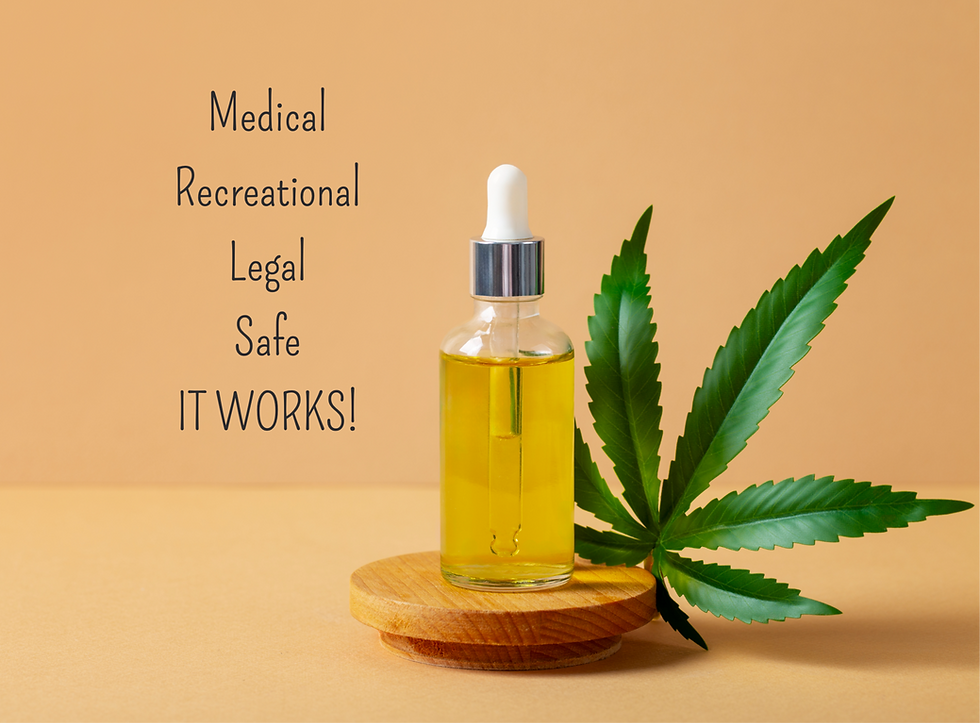
CBD (Cannabodial)
What is it ? CBD is the second most common active ingredient in the cannabis plant. It is most often derived from the hemp plant, a cannabis species closely related to the marijuana plant. Unlike THC, CBD does not produce a "high".
What is supposed to do? Although there is a dearth of research around CBD and its success in treating fibromyalgia symptoms, anecdotal evidence suggests that CBD can help reduce chronic pain, inflammation, anxiety and depression. Some patients claim all around improvement or reduction in symptoms enough to choose to discontinue prescription medications.
Side effects: according to the Mayo Clinic, "Though it's often well-tolerated, CBD can cause side effects, such as dry mouth, diarrhea, reduced appetite, drowsiness and fatigue. CBD can also interact with other medications you're taking, such as blood thinners". Please check with your doctor and let them know you plan to use or are using CBD.
Withdrawal: withdrawal can include anxiety, aggression, change in appetite, irritability, headache, stomach pains, vivid dreams, and shakiness, among other mild symptoms.
My decision:

I have been dabbling in using CBD for many years, but just recently I have taken steps to make it a regular part of my treatment regimen. Why? ... Since there is little research to confirm my hopes? Because the times I have used CBD with the intention of relaxing or reducing pain, it seems to have had some positive affect. Adding my personal anecdotal evidence to the palate of experiences out there, I believe CBD has had some beneficial results. I am willing to experiment on myself as I continue to use it more consistently for pain relief and a reduction of other symptoms of fibromyalgia like anxiety, depression, and fatigue. I will write my findings about CBD and my anecdotal results in a later post.
THC (Tetrahydrocannabinol)
What is it? THC is the major psychoactive cannabinoid in the cannabis plant. It is most often derived from the marijuana plant, but can be derived from the hemp plant, a cannabis species closely related to the marijuana plant.
What is supposed to do? THC produce a sense of euphoria, or a "high". THC binds with the CB1 receptors in the endocannabinoid system and helps regulate appetite, memory, mood, reproduction, and sleep. It is commonly used for: anxiety, glaucoma, insomnia, appetite stimulant, muscle spasticity, and nausea. As for using THC for fibromyalgia, the research has come to mixed conclusions about its effects for providing relief or managing the symptoms of fibromyalgia. However, many people do use THC to some degree of relief to treat their symptoms including sleep problems, muscle stiffness, mood, headaches and anxiety.
Side effects: According to the Mayo Clinic, THC use can cause, "headaches, dry mouth and dry eyes, lightheadedness and dizziness, drowsiness, fatigue...nausea and vomiting, disorientation, hallucinations, increased heart rate, and increased appetite". THC also has a number of drug interactions including: alcohol, medical or supplemental anti-coagulants, central nervous system depressants, protease inhibitors, and SSRIs. Please check with your doctor and let them know you plan to use or are using THC.
Withdrawal: According to the American Addiction Centers, common withdrawal symptoms can include: anger, irritability, and aggression, feelings of nervousness and anxiety, restlessness, decreased appetite or weight, depression, insomnia, experiencing strange or unsettling dreams, headaches, nausea, vomiting, sweating, and abdominal pain, and tremors.
My decision:

Yes! For some time now, I have been using low-dose hemp derived THC for blissful, pain-free sleep. Hemp products are legal in my state and having read the limited research, and heard the anecdotal evidence from friends, from fibromyalgia group members online, and one of my doctors, I have been taking this supplement for 6+ months with great success. However, if you are going to use THC, do it carefully. As suggested by many cannabis advocates and experts, make sure your cannabis products are coming from legal, reputable and safe sources you trust.
RECAP
There is danger in a having just a little bit of information. Though I am a seasoned researcher, I have sometimes believed what I read on the internet. Without the medical background, I have, in the past, fallen for the sparkle and glamour of prescription drug corporation and supplement company marketing. As a warning, these companies make their money selling us on the products promised relief from the sometimes debilitating symptoms of fibromyalgia. However, understanding the recommended medications, their potential benefits, and associated side effects becomes crucial. Conversations with healthcare providers can shed light on three classes of medication that hold promise: antidepressants, anti-seizure medications, and over-the-counter supplements. By actively engaging in these discussions and making informed decisions, fibromyalgia "warriors" can strive to strike a balance between personal control and the available treatment options, ultimately working towards a better quality of life.

If you enjoyed this post, share it with your friends and colleagues, and consider becoming a subscriber. If you have any tips or suggestions about how to better cope with chronic pain, leave a comment. I would love to hear from you!
Karen Palmen, EdD is a veteran educator in Saint Paul, Mn. She teaches Dance and English at Saint Paul Central High School. She has an active TikTok page that features humorous, political, mental health, and educational content (kickin it with karen). And a a dormant YOUTUBE channel with the same name, featuring fermented foods and other cooking oddities.
DISCLAIMER: THIS BLOG DOES NOT PROVIDE MEDICAL ADVICE
The information, including but not limited to, text, graphics, images and other material contained on this website are for informational purposes only. No material on this site is intended to be a substitute for professional medical advice, diagnosis or treatment. Always seek the advice of your physician or other qualified health care provider with any questions you may have regarding a medical condition or treatment and before undertaking a new health care regimen, and never disregard professional medical advice or delay in seeking it because of something you have read on this blog.
Citations
“Amitriptyline (Oral Route) Side Effects.” Mayo Clinic, 1 May 2023,
“Amitriptyline.” Wikipedia, 6 May 2023, en.wikipedia.org/wiki/Amitriptyline#History.
Barenie, Rachel, et al. “Discovery and Development of Pregabalin (Lyrica).” Neurology, 26
Oct. 2021, n.neurology.org/content/97/17/e1653.
Bauer, Brent A. “CBD: Safe and Effective?” Mayo Clinic, 6 Dec. 2022,
Borsellino, Nick. “Duloxetine / Cymbalta Withdrawal - Depression - Suicidal Ideation.”
YouTube, 30 Mar. 2022, youtu.be/FiUQa9V6AZ8.
“Cymbalta (Duloxetine) FDA Approval History.” Drugs.Com,
www.drugs.com/history/cymbalta.html. Accessed 29 May 2023.
Dellwo, Adrienne. “How Lyrica Works for Fibromyalgia.” Verywell Health, 25 July 2022,
Dellwo, Adrienne. “Sam-E for Fibromyalgia and Chronic Fatigue Syndrome.” Verywell Health, 25 July
2022, www.verywellhealth.com/sam-e-for-fibromyalgia-and-chronic-fatigue-syndrome-715796.
Dellwo, Adrienne. “The Benefits and Side Effects of Taking Gabapentin for Fibromyalgia.” Verywell
Health, 15 June 2022, www.verywellhealth.com/gabapentin-for-fibromyalgia-4125857.
“Duloxetine (Cymbalta).” NAMI, www.nami.org/About-Mental-Illness/Treatments/Mental-Health-
Medications/Types-of-Medication/Duloxetine-(Cymbalta). Accessed 29 May 2023.
“Elavil (Amitriptyline) Withdrawal and Detox: Symptoms, Timeline, & Treatment.” The Recovery Village
Drug and Alcohol Rehab, 11 May 2022, www.therecoveryvillage.com/elavil-addiction/withdrawal-detox/.
Farag, Hussein M, et al. “Comparison of Amitriptyline and US Food and Drug Administration-Approved
Treatments for Fibromyalgia: A Systematic Review and Network Meta-Analysis.” JAMA Network Open, 2 May 2022, www.ncbi.nlm.nih.gov/pmc/articles/PMC9121190/#:~:text=Amitriptyline%20is%20an%20established%20medication,(FDA)%20to%20treat%20fibromyalgia.
“Fibromyalgia Medications.” Johns Hopkins Lupus Center, 27 Mar. 2019, www.hopkinslupus.org/lupus-
treatment/common-medications-conditions/fibromyalgia-medications/.
Gabapentin, Brand Name Neurontin, Was Developed by Parkes-Davis, a Division of Warner-Lambert,
Which Was Acquired by Pfizer In, archives.evergreen.edu/webpages/curricular/1999-2000/humanbio/neruontin.html. Accessed 29 May 2023.
“Gralise (Gabapentin) FDA Approval History.” Drugs.Com, www.drugs.com/history/gralise.html.
Accessed 29 May 2023.
Grinspoon, Peter. “Cannabidiol (CBD): What We Know and What We Don’t.” Harvard Health, 24 Sept.
2021, www.health.harvard.edu/blog/cannabidiol-cbd-what-we-know-and-what-we-dont-2018082414476.
Grinspoon, Peter. “If You Use Cannabis, Do It Safely.” Harvard Health, 17 Jan. 2023,
Hall-Flavin, Daniel K. “Abruptly Quitting an Antidepressant May Cause Symptoms.” Mayo Clinic, 29 Jan.
2019, www.mayoclinic.org/diseases-conditions/depression/expert-answers/antidepressant-withdrawal/faq-20058133.
Holland, Kimberly. “What’s the Difference between CBD vs. THC?” Healthline, 14 Sept. 2022,
“Important Safety Information about Savella.” Savella (Milnacipran HCl): Official Site,
www.savella.com/important-risk-information#:~:text=SAVELLA%20is%20not%20used%20to,antidepressants)%20and%20other%20psychiatric%20disorders. Accessed 29 May 2023.
InformedHealth.org [Internet]. Cologne, Germany: Institute for Quality and Efficiency in Health Care
(IQWiG); 2006-. Medication for the treatment of fibromyalgia. 2018 Mar 8. Available from: https://www.ncbi.nlm.nih.gov/books/NBK492992/
Ishikawa, Hayahito, et al. “Pregabalin Withdrawal in Patients without Psychiatric Disorders Taking a
Regular Dose of Pregabalin: A Case Series and Literature Review.” Neuropsychopharmacology Reports, Sept. 2021, www.ncbi.nlm.nih.gov/pmc/articles/PMC8411313/.
Kaliszewski, Michael. “Lyrica Withdrawal Symptoms, Timeline & Treatmentmich.” American Addiction
Centers, 31 Mar. 2023, americanaddictioncenters.org/prescription-drugs/lyrica-withdrawal-symptoms.
Korenstein, Deborah, and Aaron Mitchell. “Drug Companies’ Payments and Gifts Affect Physicians’
Prescribing. It’s Time to Turn off the Spigot.” STAT, 3 Dec. 2020, www.statnews.com/2020/12/04/drug-companies-payments-gifts-affect-physician-prescribing/.
Leonard, Jayne. “Marijuana for Fibromyalgia: Benefits, Research, and Alternatives.” Medical News
Today, 27 Dec. 2018, www.medicalnewstoday.com/articles/315348#marijuana-and-fibromyalgia.
“Lyrica (Pregabalin) FDA Approval History.” Drugs.Com, www.drugs.com/history/lyrica.html. Accessed
29 May 2023.
“Marijuana Withdrawal Symptoms, Timeline & Treatment.” American Addiction Centers, 20 Dec. 2022,
“Marijuana.” Mayo Clinic, 18 Nov. 2020, www.mayoclinic.org/drugs-supplements-marijuana/art-
20364974.
Matejko, Sonya. “Do Antidepressants Make You Feel Numb?” Psych Central, 22 Apr. 2022,
“Milnacipran (Oral Route) Side Effects.” Mayo Clinic, 1 May 2023, www.mayoclinic.org/drugs-
supplements/milnacipran-oral-route/side-effects/drg-20072479.
Ng, Terence, and Vikas Gupta. “Tetrahydrocannabinol (THC) - Statpearls - NCBI Bookshelf.” National
Library of Medicine, 26 Sept. 2022, www.ncbi.nlm.nih.gov/books/NBK563174/.
“Office of Dietary Supplements - Dietary Supplements: What You Need to Know.” NIH Office of Dietary
Supplements, ods.od.nih.gov/factsheets/WYNTK-Consumer/. Accessed 29 May 2023.
Okada, Fumihiko. “Why Does Milnacipran Produce so Few Discontinuation Syndromes Following
Abrupt Withdrawal?” Neuropsychiatric Disease and Treatment, Feb. 2007, www.ncbi.nlm.nih.gov/pmc/articles/PMC2654522/.
O’Keefe Osborn, Corinne. “How Long Does Withdrawal from Cymbalta Last?” Verywell Mind, 11 Nov.
2022, www.verywellmind.com/cymbalta-withdrawal-symptoms-timeline-and-treatment-4707711.
Raypole, Crystal. “Endocannabinoid System: A Simple Guide to How It Works.” Healthline, 17 May 2019,
“S-Adenosylmethionine.” Mount Sinai Health System, www.mountsinai.org/health-library/supplement/s-
adenosylmethionine#:~:text=S%2DAdenosylmethionine%20(SAMe)%20is,serotonin%2C%20melatonin%2C%20and%20dopamine. Accessed 29 May 2023.
“S-Adenosylmethionine.” Mount Sinai Health System, www.mountsinai.org/health-library/supplement/s-
adenosylmethionine. Accessed 29 May 2023.
“Sam-e.” Mental Health America, www.mhanational.org/sam-
e#:~:text=SAM%2De%20has%20been%20approved,States%20and%20some%20other%20countries. Accessed 29 May 2023.
“Sam-e.” Mayo Clinic, 18 Nov. 2020, www.mayoclinic.org/drugs-supplements-same/art-
20364924#:~:text=Overview,SAMe%20is%20a%20prescription%20drug.
Stewart, Anne. “Savella to Treat Fibromyalgia: Benefits & Side Effects.” WebMD, 10 Sept. 2021,
“Using CBD Oil for Pain Management? Watch out for Withdrawal.” Mintlounge, 9 Jan. 2021,
Villines, Zawn. “CBD for Fibromyalgia: Does It Work, and Is It Safe?” Medical News Today, 3 Nov. 2020,
Watson, Amber R. “Amitriptyline Oral Tablet: Side Effects, How to Take, and More.” Healthline, 18 June
2021, www.healthline.com/health/drugs/amitriptyline-oral-tablet#side-effects.
“What Helps with Cymbalta Withdrawal Symptoms?” Drugs.Com, www.drugs.com/medical-
answers/helps-cymbalta-withdrawal-symptoms-3565289/#:~:text=Official%20answer&text=Slowly%20stopping%20Cymbalta%20treatment%20over,abruptly%20discontinue%20Cymbalta%20(duloxetine). Accessed 29 May 2023.


Comments